
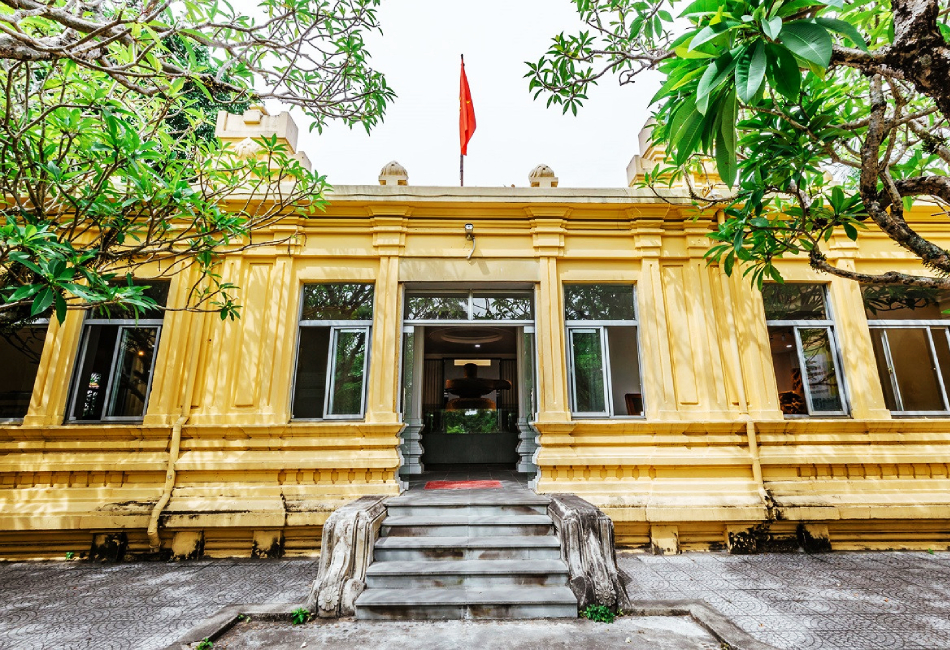
Situated in Da Nang, Vietnam, the Cham Museum Da Nang is a fascinating representation of the rich cultural legacy of the Cham people. The Cham culture, which thrived in central and southern Vietnam from the second to the nineteenth centuries, is the subject of the museum, which was founded in 1919 and is devoted to conserving and presenting its artwork and artifacts. The museum’s physical structure, which combines indigenous Cham design with French colonial architecture, provides a distinctive backdrop for the displays inside. The Cham Museum Da Nang Vietnam offers an engrossing trip through the cultural tapestry of the Cham people, catering to the interests of art enthusiasts, history buffs, and inquisitive tourists alike. It provides insights into their customs, beliefs, and contributions to the larger history of Southeast Asia
Join us as we take you on a full-day Da Nang City tour to see Danang’s many facets, where each step is a stroll through nature, history, the vibrant pulse of modern life, and to explore Cham Museum.
Cham Museum Da Nang – Gateway to Rich Cultural Heritage
Show table of content
- 1. Cham Museum Da Nang Location
- 2. Cham Museum Da Nang Price
- 3. Cham Museum Da Nang History
- 4. What to see in Cham Museum
- 4.1 Find the unique architecture of Cham Museum
- 4.2 Explore the exhibition rooms
- 4.3 Admire the national treasures
- 5. How to get to Cham Museum Da Nang?
- 5.1 Bus
- 5.2 Private Car
- 5.3 Motorbike
- 6. Conclusion
1. Cham Museum Da Nang Location
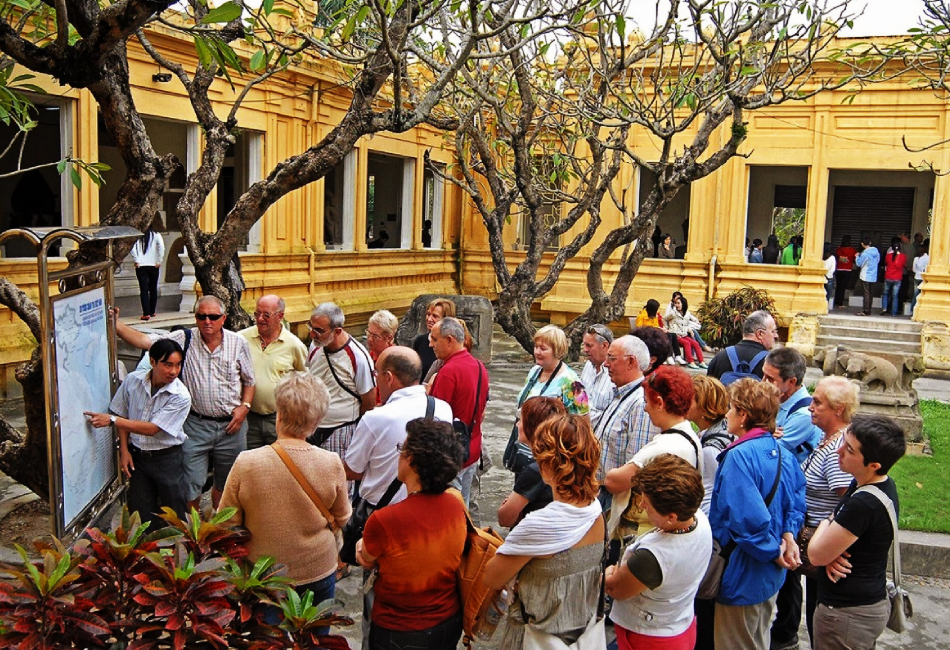
The pride of the coastal city’s locals is the Museum of Cham Sculpture, which is currently the largest Cham museum in the country and is situated at the intersection of Bach Dang and Trung Nu Vuong streets on the Han River’s bank. The Cham Museum Da Nang location is No. 02, 2/9 Street, Binh Hien Ward, Hai Chau District, Da Nang City, Vietnam. It is among the several tourist destinations in Da Nang that you simply must visit. The Cham Museum Da Nang Vietnam, which is regarded as the first museum ever constructed by the French, houses a number of priceless collections of artifacts and sculptures from the Champa Kingdom that can be found throughout the South Central Coastal Provinces.
2. Cham Museum Da Nang Price
The Cham Museum Da Nang has set hours of operation, which are from 7 AM to 5 PM daily, same as other cultural facilities. You will also require an entrance fee, which costs 60,000 VND per person.
3. Cham Museum Da Nang History
The Cham Museum Da Nang history started when the Ecole Francaise d’Extreme Orient (EFEO) constructed the groundwork for the Museum of Cham Sculpture towards the close of the 1800s, even though it didn’t begin building until 1915. Exhibited at Le Jardin de Tourane park on a small hill near Han River, the artifacts were collected from Cham temples and towers spanning over Central Vietnam, from Quang Binh to Binh Dinh Province.
The construction of the Cham Museum Da Nang was formally underway with the aim of conserving and showcasing the relics of Champa civilization in 1915, and saw the public museum’s opening in 1919. Due to the vast quantity of antiques that had been unearthed, the museum had its first enlargement in 1930. In keeping with a fair chronology, the tour itinerary was rearranged at the same time, with sculptures on show in galleries named after specific locales. Witnessed the museum’s second expansion in 2002, which included the addition of a workshop for repair, research rooms, and display spaces dedicated to contemporary Cham culture. The latter featured a collection of festival photographs, musical instruments, and costumes worn by the Cham ethnic people. In 2016, the city of Da Nang renovated and repaired the museum’s structures while preserving the original architectural design. New features of the renovated structure included an auditorium, teaching center, welcome area, themed display rooms, gift shop, etc.

4. Things to do in Cham Museum
If you’re eager to know the things to do in Cham Museum Da Nang Vietnam, we got your back!
4.1 Find the unique architecture of Cham Museum
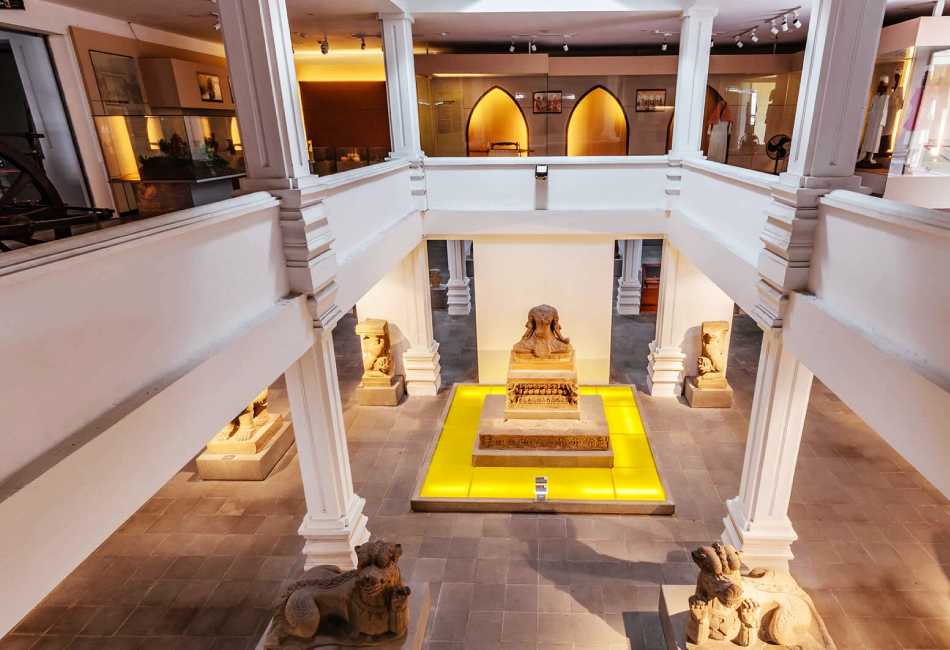
Delaval and Auclai, two French architects, created the original structure. The museum’s architectural design combines traditional Cham art with classical European Gothic architecture, as suggested by Henri Parmentier, chairman of the EFEO Institution’s Department of Archaeology. With its distinctive pyramid-shaped top, the Museum of Cham Sculpture stands out among the surrounding buildings, drawing inspiration from the architecture of the Cham Temples. In addition, the museum’s expansive halls with multiple windows let in natural light from outside. Even after more than a century, the original architectural elements are still mostly there, notwithstanding a few renovations.
4.2 Explore the exhibition rooms
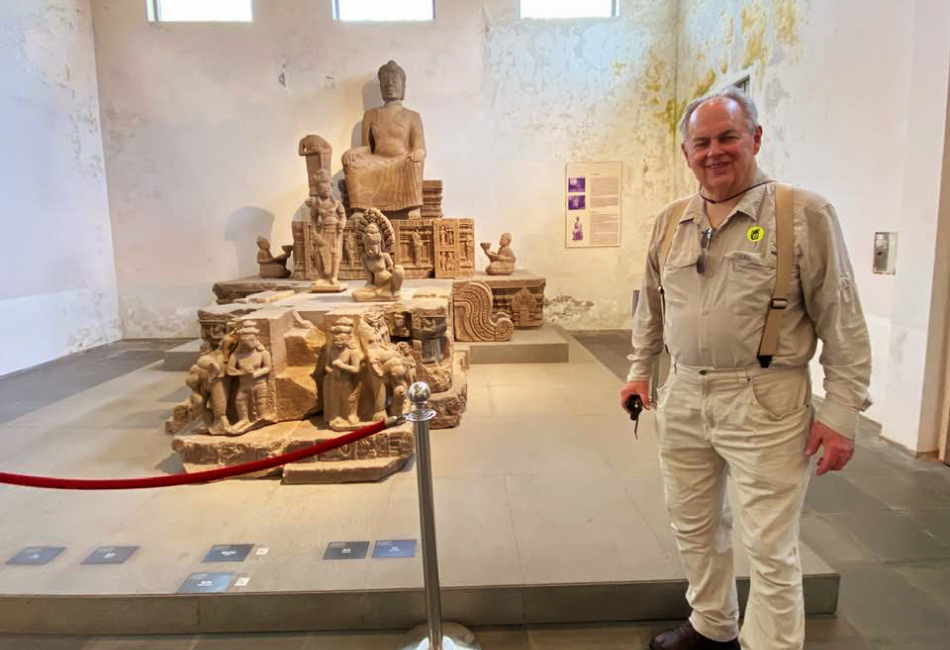
Only about 500 of the more than 2,000 Cham dynasty cultural artifacts that are currently housed in the Cham Museum Da Nang are on display; the remainder are securely stored in the warehouse. Hundreds of artifacts from the fifth to the fifteenth centuries, including national treasures and exceptional examples of Champa sculpture made of sandstone, terracotta, metal, and other materials, will be on display for visitors to view. The artifacts show a varied cultural and religious life of the ancient Champa people in the middle region of Vietnam.
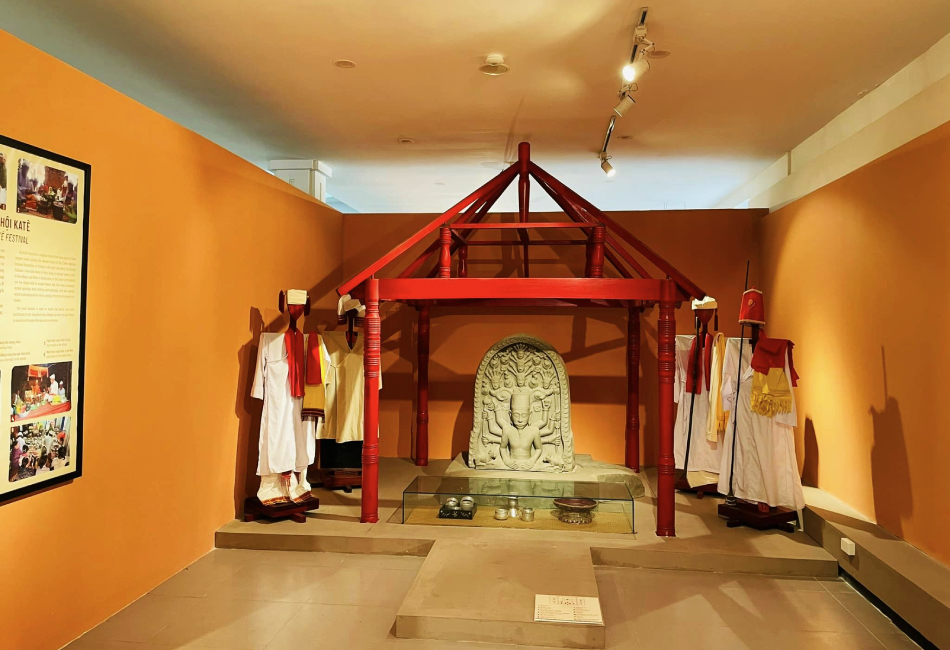
These themes range from fertility symbols, mythological animals, to architectural decorations of Hindu and Buddhist gods. The antiques are arranged into several location-based galleries according to where they were excavated, such as Tra Kieu Gallery, Thap Ma Gallery, My Son Gallery, etc., to give tourists a quick, simple journey. By going to the museum, you can get a glimpse of the past glory of the old country.
4.3 Admire the national treasures
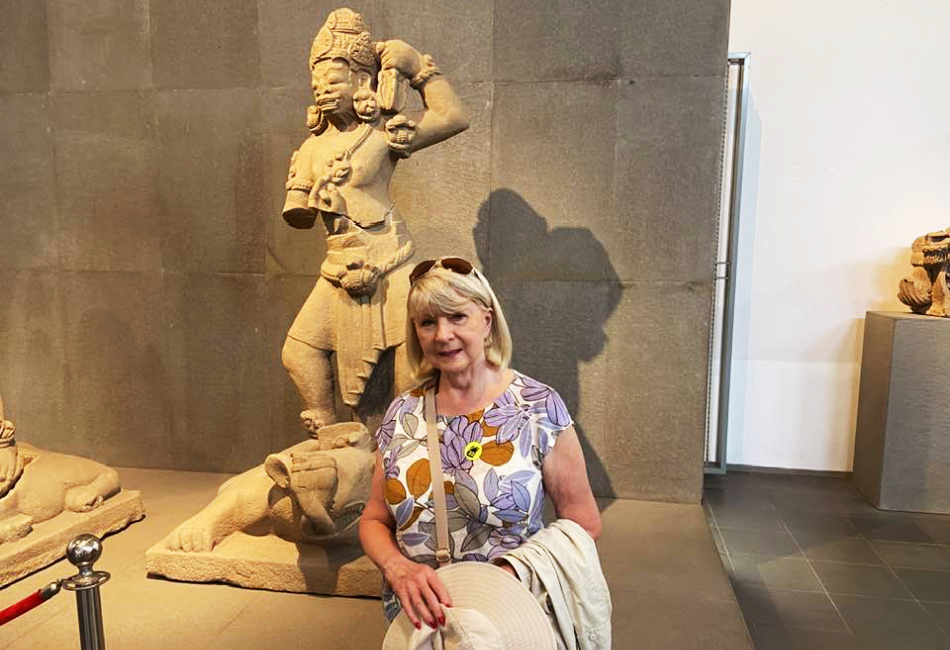
Three artifacts at the Da Nang Museum of Cham Sculpture are currently designated as national treasures: the Tara Bodhisattva statue, the My Son E1 altar, and the Tra Kieu altar. The lone bronze piece in the Cham Museum is the statue of the Bodhisattva Tara. This bronze monument, standing 1.148 meters tall, is also the biggest of all the Cham sculptures created to date. The Bodhisattva Tara statue has exquisite carvings that give it an air of majesty and profound beauty.
5. How to get to Cham Museum Da Nang?
The Da Nang Museum of Cham Sculpture is situated roughly 29 kilometers west of the historic town of Hoi An and 3 kilometers east of Da Nang’s downtown. As a result, you can travel to the Cham Museum Da Nang Vietnam by bus, motorbike, private car, and taxi/grab. Here’s how to get to Cham Museum Da Nang.
5.1 Bus
Make your way to the Cham Museum Da Nang Vietnam by bus, starting from Da Nang’s major bus terminal (Quang An 1 Industrial Company), which travels through the inner city. A few things to bear in mind are that the bus routes here usually operate every 20 to 30 minutes and that one-way tickets cost between 5,000 and 10,000 VND. Therefore, to avoid any problem when taking the bus, make sure to have modest change ready in advance.
5.2 Private Car
If you don’t drive, you can choose to hire our private vehicle service with a driver in Da Nang to get to the Cham Museum Da Nang safely and comfortably without having to worry about the weather. You will have more benefits from our private vehicle service. A skilled driver will pick you up at your hotel, the airport, or any other destination on schedule. A private vehicle also gives you the flexibility to decide when to leave and to see a variety of famous tourist spots at your own speed.

5.3 Motorbike
Don’t give up the opportunity to ride a motorbike down a beach road in Da Nang and feel how cool and comfy it is. You may quickly and affordably rent a motorcycle and select the best mode of transportation for your needs. To get from Da Nang and Hoi An to the Cham Sculpture Museum, use these thorough itineraries.
For the first route, you can leave Da Nang and travel the following route to the Cham Sculpture Museum, which is about 2.7 kilometers distant and takes around 10 minutes: Head east on Duy Tan Street after leaving the city of Da Nang. Next, at the roundabout, take the first exit onto Nguyen Van Linh. The Cham Museum Da Nang Vietnam will then be reached by turning right onto 2/9 Street.
For the second route, you can leave Hoi An and travel the pleasant coastline road for around 30 kilometers, which should take 44 minutes to complete. The precise route is as follows: After traveling west to Cua Dai, turn right onto Ba Huyen Thanh Quan at Cafe and Bar Eden. Proceed onto Ly Thuong Kiet after making a right at Cong Ty Co Phan Tuan Nghia, then onto Ly Thai To. After that, take the Centre Homestay to Hai Ba Trung by turning right. Proceed on Truong Sa at The Ocean Estates and then onto Vo Nguyen Giap. Proceed onto Vo Van Kiet, the second exit from a roundabout, and then onto Bach Dang. At the crossroads with the sugarcane juice, turn left onto Le Hong Phong. At Bai do xe VTV8, turn left onto Tran Phu. At the destination, turn right onto 2 Thang 9 after making a final left onto Nguyen Van Linh.

6. Conclusion
In summary, the Cham Museum Da Nang is an important cultural archive that protects the rich legacy of the Cham people and provides an enthralling glimpse into their past civilization. The Cham Museum Da Nang Vietnam offers tourists a thorough insight of the artistic, religious, and everyday components that constituted Cham society over the centuries through its rich collection of sculptures, pottery, and inscriptions. Da Nang’s Cham Museum is a must-visit location for tourists, academics, and anybody interested in Southeast Asian history and art. It is a location where history is brought to life, enabling guests to recognise and honor the Cham people’s lasting heritage and their contributions to Vietnam’s and other countries’ cultural mosaics.


Comment (0)